
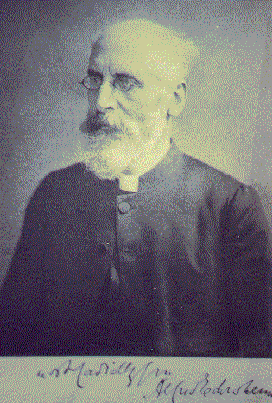
We cannot fail to recognise Him…
‘Woman, why weepest thou? Whom seekest thou?’ The hope, that she might now learn what...
Read More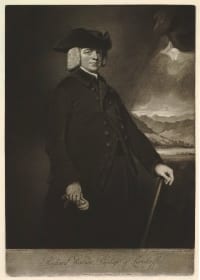
Watson, Richard
An Apology for the Bible is Bishop Watson’s answer to Thomas Paine’s book The Age of Reason, Part...
Read More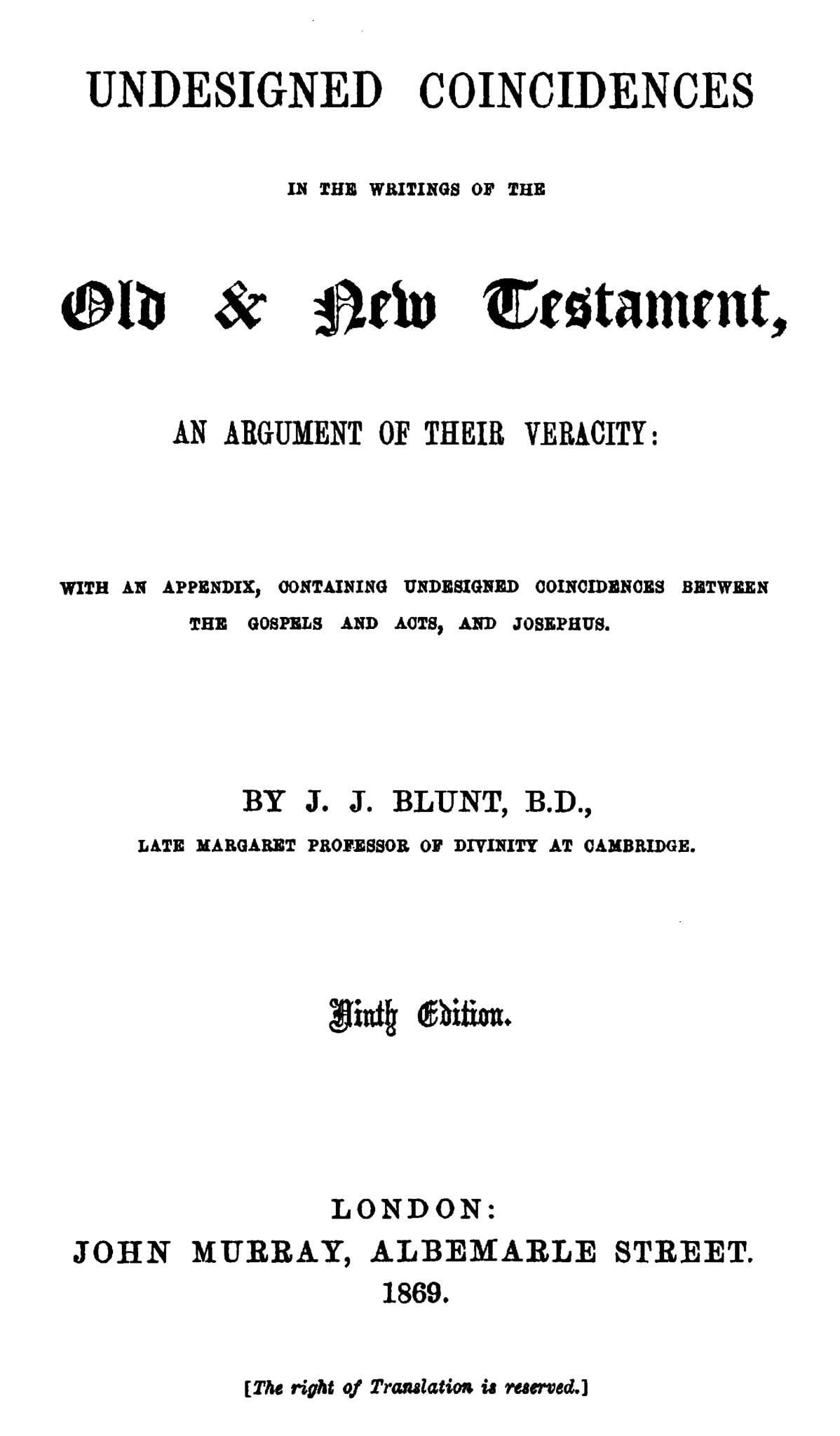
Blunt, John James
An undesigned coincidence occurs when one account of an event leaves out a bit of information that...
Read More
Butler: All of the evidence taken together
[T]he truth of our religion, like the truth of common matters, is to be judged of by all the evidence taken together. And unless the whole series of things which may be alleged in this argument, and every particular thing in it, can reasonably be supposed to have been by accident (for here the stress of the argument for Christianity lies); then is the truth of it proved; …
Read More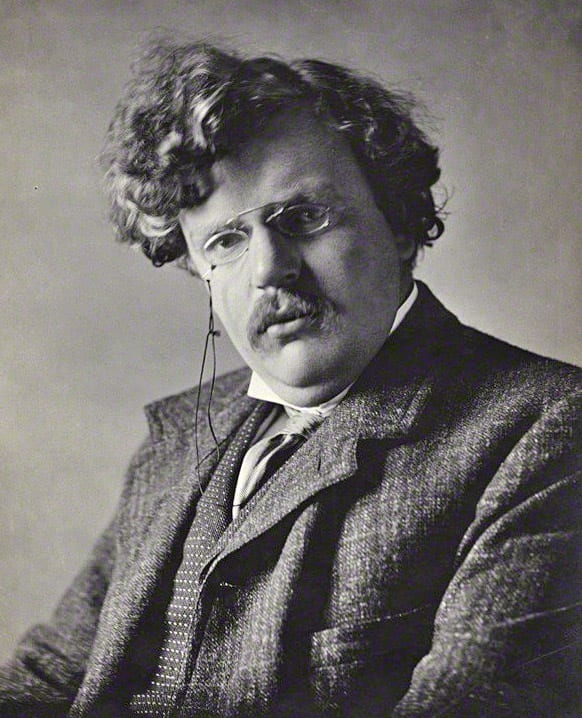
Chesterton on Miracles
Somehow or other an extraordinary idea has arisen that the disbelievers in miracles consider them...
Read More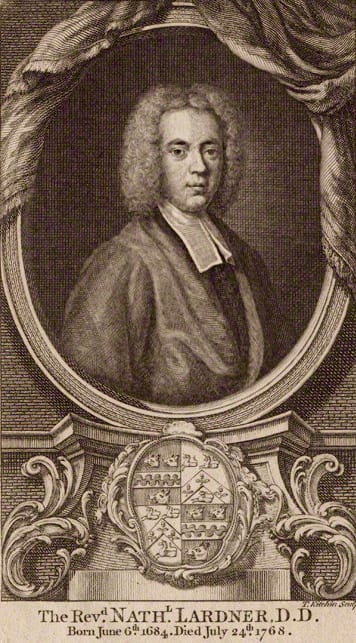
Nathaniel Lardner on the Argument from Silence
TWO OBJECTIONS TAKEN FROM THE SILENCE OF JOSEPHUS. I. He has not mentioned the slaughter of the...
Read More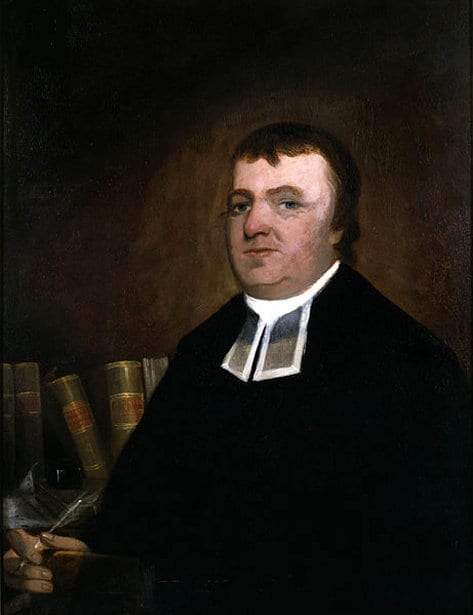
Jeremy Belknap: The nature of testimony and the rules of evidence universally acknowledged among mankind
If it be allowed that there was such a person as Jesus Christ, that he was virtuous and amiable,...
Read More
Do we meet him prepared as we should be for the battle?
In a well-disciplined army, the officers are not only trained to handle arms and resist an attack...
Read More
Humphrey Ditton on the Place of Reason
“If whilst we attempt to infer the Truth of the Resurrection of Christ, we run counter to any...
Read More
Brooke Foss Westcott: To this point all former history converges
If the fact of the Resurrection be in itself, as it confessedly is, absolutely unique in all human experience, the point which it occupies in history is absolutely unique also. To this point all former history converges as to a certain goal: from this point all subsequent history flows as from its life-giving spring.
Read More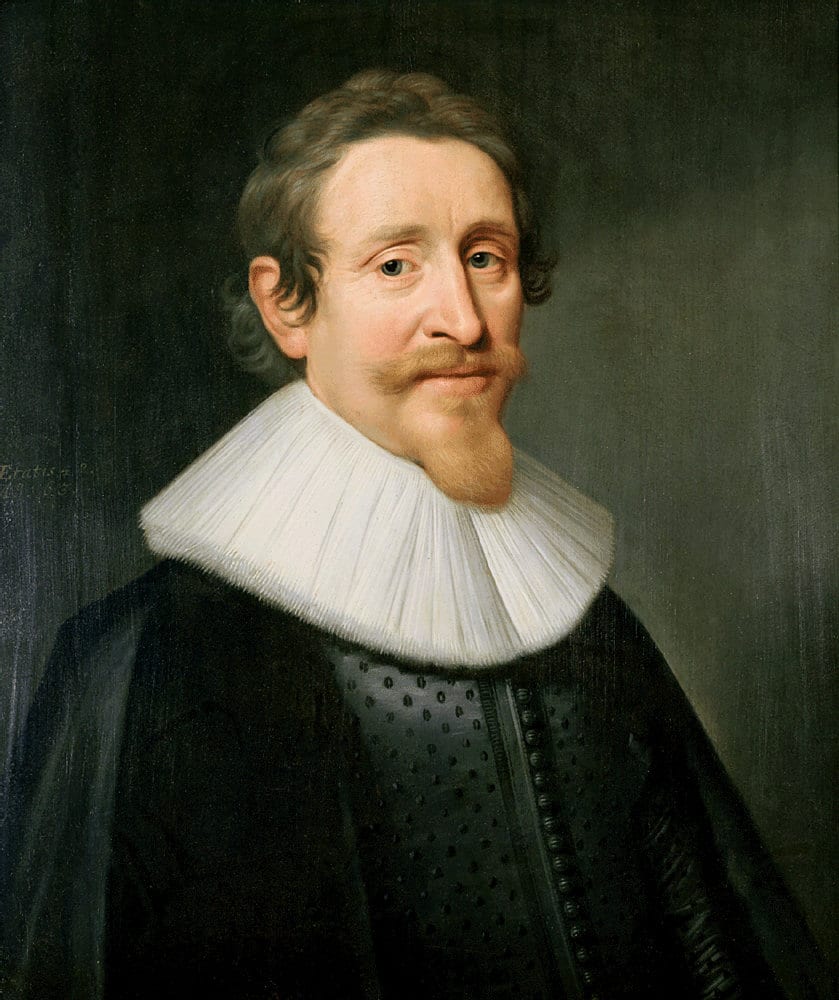
Grotius on Alleged Contradictions in the Gospels
It is objected by some, that the sense of these books is sometimes very different: but whoever...
Read More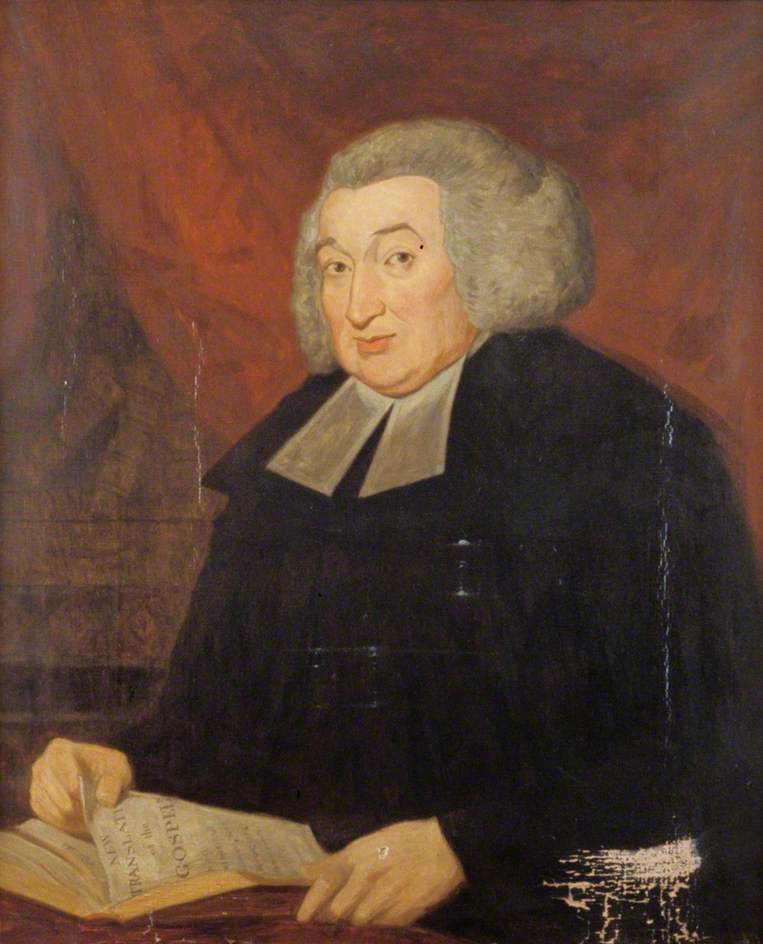
George Campbell: What is the criterion whereby we must judge, whether the laws of nature are transgressed?
Now I insist, that as far as regards the author’s argument, a fact perfectly unusual, or not...
Read More